
Battery Logistics & Energy Supply Chain
Maersk Enters the Market:
The Rise of U.S. Battery Logistics
As energy storage companies expand into the U.S. market, battery logistics is evolving from transportation into critical supply chain infrastructure.
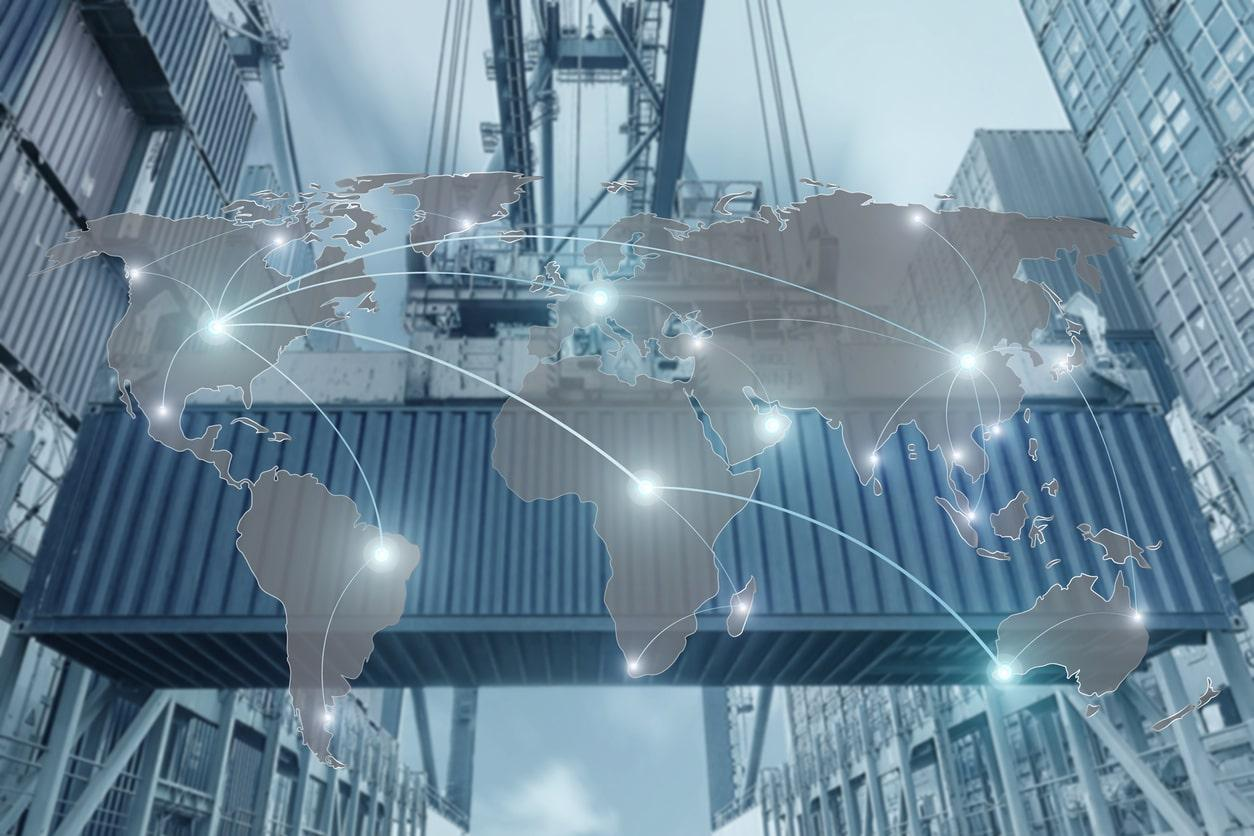
As energy storage companies expand into the U.S. market, competition is moving beyond manufacturing. Local inventory, transportation networks, and supply chain execution are becoming critical for long-term growth.
Maersk’s expansion into battery logistics reflects this broader industry shift. As global logistics leaders strengthen their capabilities in new energy supply chains, battery logistics is becoming a strategic infrastructure layer connecting international manufacturers with local U.S. markets.
The U.S. Battery Logistics Market Is Expanding
The U.S. battery logistics market is growing rapidly alongside the expansion of energy storage systems and supply chain localization.
Market estimates vary depending on definitions and included services. From a transportation perspective, the U.S. lithium battery logistics market is estimated at approximately:
- $2.4B–$3.0B in lithium battery transportation services
- $3.89B in 2025 for the broader battery logistics market, including transportation, warehousing, packaging, distribution, and reverse logistics
- Projected growth to $11.43B by 2035, representing approximately 11.38% CAGR
Key Growth Drivers
Several market trends are accelerating demand for specialized battery logistics capabilities:
- Energy Storage System (ESS) Deployment: Growing demand for grid-scale and commercial energy storage projects.
- AI Data Center Energy Demand: Increasing power requirements are creating new opportunities for energy storage solutions.
- Global Energy Company Expansion: International battery companies are establishing stronger U.S. market presence.
- Supply Chain Security Requirements: Companies are building more resilient and localized supply networks.
Three Changes Are Reshaping Battery Logistics
01. From Transportation to Integrated Services
Battery logistics is no longer simply about moving products from one location to another.
Lithium battery products require specialized capabilities including:
- Dangerous goods transportation
- UN38.3 compliance management
- Battery-safe warehousing
- Fire safety procedures
- Recycling and reverse logistics
The industry is shifting from transportation services toward complete battery supply chain solutions.
02. Battery Logistics Is Becoming More Regionally Focused
Battery logistics networks in the United States are increasingly developing around major energy markets, including:
- California
- Texas
- North Carolina
- Georgia
These regions are becoming important logistics hubs due to energy storage projects, manufacturing growth, and increasing customer demand.
Regional networks enable faster response times and more reliable local delivery capabilities.
03. Global Logistics Leaders Are Expanding Battery Capabilities
Major logistics companies including Maersk, DHL, FedEx, and UPS are strengthening their battery and new energy logistics capabilities.
Their investment demonstrates the growing strategic importance of battery logistics within the global energy supply chain.
Building Local Supply Chain Infrastructure
Bringing batteries into the United States is only the first step. Companies still need reliable local infrastructure after products arrive.
Successful U.S. market expansion requires capabilities across:
- Compliant battery warehousing
- Regional inventory management
- LTL distribution
- Project delivery coordination
- After-sales support
- Reverse logistics
From Warehouse Space to Supply Chain Infrastructure
The next generation of battery logistics providers will move beyond traditional storage operations.
- From traditional warehousing → battery-ready storage infrastructure
- From transportation services → regional delivery networks
- From shipment execution → complete supply chain solutions
As the U.S. energy market continues to expand, companies that build reliable local supply chain capabilities will be better positioned for long-term growth.
BUILDING U.S. BATTERY LOGISTICS CAPABILITIES
For global battery companies entering the U.S. market, scaling battery operations requires more than transportation capacity. Companies need reliable logistics infrastructure that connects compliance, warehousing, transportation, and local execution.
Vast Ocean Corp helps battery companies build U.S. logistics capabilities through:
- Lithium battery compliant warehousing
- Dangerous goods handling procedures
- Battery transportation coordination
- LTL and FTL delivery support
- Local inventory and fulfillment management
Companies can work with VOC to evaluate solutions based on:
- Battery type and classification
- Shipment volume
- Transportation requirements
- Warehouse location needs
- Distribution strategy
Whether preparing a first U.S. battery shipment or expanding existing operations, VOC helps companies build reliable logistics capabilities to support long-term market growth.
Contact VOC →Data Sources & Disclaimer
The data and insights in this article are compiled from publicly available industry reports, company disclosures, and government resources for industry analysis and market trend research purposes only.
Market size estimates may vary depending on research methodology and market definitions.