
Energy Storage Market Insights
LG Energy Solution Expands U.S. ESS Production: Logistics Shifts to Project Delivery
As U.S. ESS battery production expands, energy storage logistics is shifting from import transportation to domestic project execution.
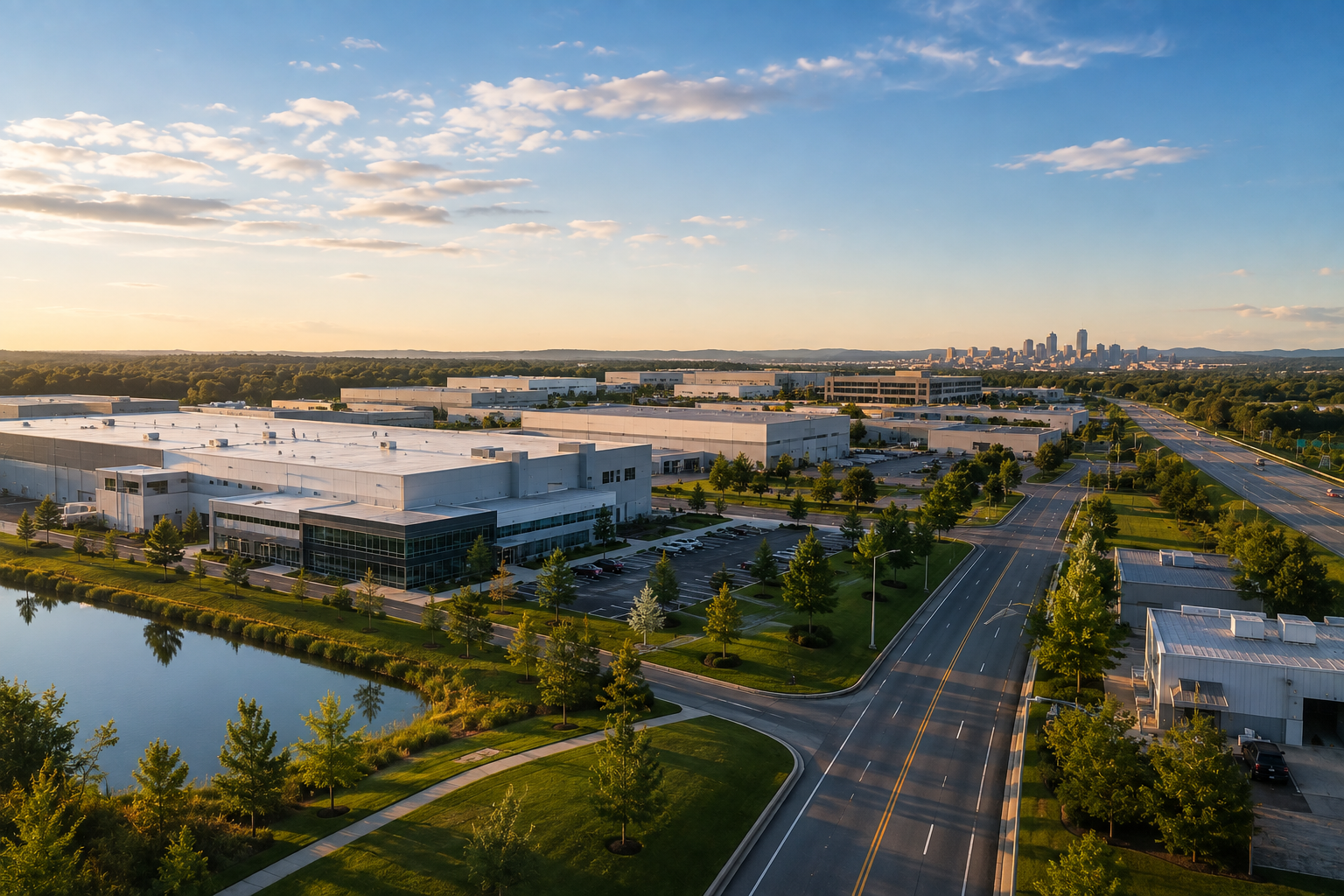
The U.S. energy storage supply chain is entering a new phase as domestic battery manufacturing expands. For years, ESS supply chains relied heavily on overseas production, ocean transportation, U.S. imports, and final project delivery. That model is beginning to change.
LG Energy Solution’s Lansing facility has started production and is designed to reach more than 35 GWh of annual battery production capacity at full scale across energy storage and electric vehicle applications. The facility reflects the broader expansion of localized battery manufacturing in North America.
At the same time, project deployment is also scaling. DTE Energy and LG Energy Solution Vertech have announced eight battery storage projects in Michigan totaling 1.5 GW / 6 GWh.
Together, these developments show how U.S. battery manufacturing and utility-scale project deployment are becoming more closely connected. As this happens, logistics is moving beyond import coordination and becoming a larger part of domestic project execution.
01. U.S. ESS MANUFACTURING IS CHANGING THE SUPPLY CHAIN MODEL
Traditionally, ESS logistics focused heavily on ocean shipping, customs coordination, and U.S. import operations.
As more battery production takes place inside the U.S., the logistics structure changes. Companies increasingly need to manage the movement of products between manufacturing locations, regional inventory points, warehouses, and project sites.
The key question is no longer only:
“How do we bring batteries into the U.S.?”
It is increasingly“How do we move batteries efficiently from U.S. production and inventory locations to projects across the country?”
This shift places more emphasis on domestic network design, regional transportation, and project-level execution.
02. PROJECT DELIVERY IS BECOMING THE NEXT LOGISTICS CHALLENGE
Local manufacturing can reduce some international transportation requirements, but it does not eliminate logistics complexity.
Utility-scale ESS projects often require deliveries to match construction sequencing, site readiness, appointment windows, staging capacity, and equipment handling requirements.That means batteries cannot always be moved simply because production is complete or inventory is available.
A project site may not be ready to receive equipment. Construction schedules may change. Staging capacity may be limited. Transportation capacity may also need to be secured in advance.When production schedules, transportation planning, and site readiness are managed separately, small timing differences can create delays, additional storage, or repositioning costs.
For large ESS projects, reliable delivery increasingly depends on coordinating these activities as one connected process.
03. INVENTORY POSITIONING IS BECOMING A STRATEGIC DECISION
As U.S. production expands, companies also need to decide where inventory should be positioned to support future project demand.
Inventory located far from future project sites can increase inland transportation costs and lead times. But moving products too close to a project too early can create additional storage and staging pressure.The goal is not simply to place inventory closer to customers. It is to position products where they can support expected project demand without creating unnecessary handling or storage.
For energy storage companies operating across multiple U.S. regions, this makes inventory location an increasingly important part of project planning.Regional warehouses and staging locations may help shorten final delivery distances, support schedule changes, and improve flexibility when project timelines shift.
04. LOGISTICS NEEDS TO ENTER PROJECT PLANNING EARLIER
As ESS supply chains become more localized, logistics decisions need to be made earlier in the project cycle.
Instead of waiting until products are ready to ship, companies need to evaluate transportation capacity, inventory location, regional demand, and delivery requirements during the planning stage.
This allows logistics teams to identify potential constraints before they affect project execution.For energy storage companies, the shift toward U.S.-based production does not reduce the importance of logistics. It changes where logistics creates value.
The focus is moving from primarily managing international movement to supporting efficient execution across domestic manufacturing, inventory, transportation, and project delivery.
Frequently Asked Questions
Why is project delivery becoming more important for ESS companies?
Because utility-scale projects depend on close coordination between product availability, transportation timing, construction progress, and site readiness.
Does local manufacturing eliminate the need for regional inventory?
No. Regional inventory can still help shorten delivery distances, support schedule changes, and improve project responsiveness.
What does localized ESS manufacturing change for logistics planning?
It increases the importance of domestic transportation, inventory positioning, warehouse operations, and project-site delivery.
When should logistics planning begin for ESS projects?
Ideally, logistics planning should begin during the project planning stage rather than after products are ready to ship.
SUPPORTING U.S. ESS PROJECT DELIVERY
As U.S. energy storage production becomes more localized, reliable domestic logistics coordination is becoming increasingly important.
Vast Ocean Corp supports energy storage companies through:
- Regional warehousing and inventory positioning
- Battery product handling and storage support
- Inland transportation coordination
- Project-site delivery coordination
- Inventory staging and distribution support
- U.S. warehousing and inventory management
VOC helps companies build reliable U.S. logistics operations based on:
- Project location
- Inventory requirements
- Transportation needs
- Delivery schedule
- Site readiness
- Distribution strategy
Whether supporting regional inventory, inland transportation, or project-site delivery, VOC helps energy storage companies improve supply chain coordination and build more reliable U.S. project delivery operations.
Contact VOC →Data Sources & Disclaimer
The information in this article is based on publicly available company announcements, industry research, and supply chain analysis for educational and industry discussion purposes.
Key references include:
- LG Energy Solution — Start of Production at All-New Lansing Battery Plant
August 18, 2026
LG Energy Solution Official Announcement - DTE Energy — Michigan Battery Storage Projects with LG Energy Solution Vertech
May 27, 2026
DTE Energy Official Announcement - Publicly available U.S. energy storage industry research and market data
Manufacturing plans, market conditions, and supply chain requirements may vary depending on product type, location, supplier structure, project requirements, and applicable regulations.